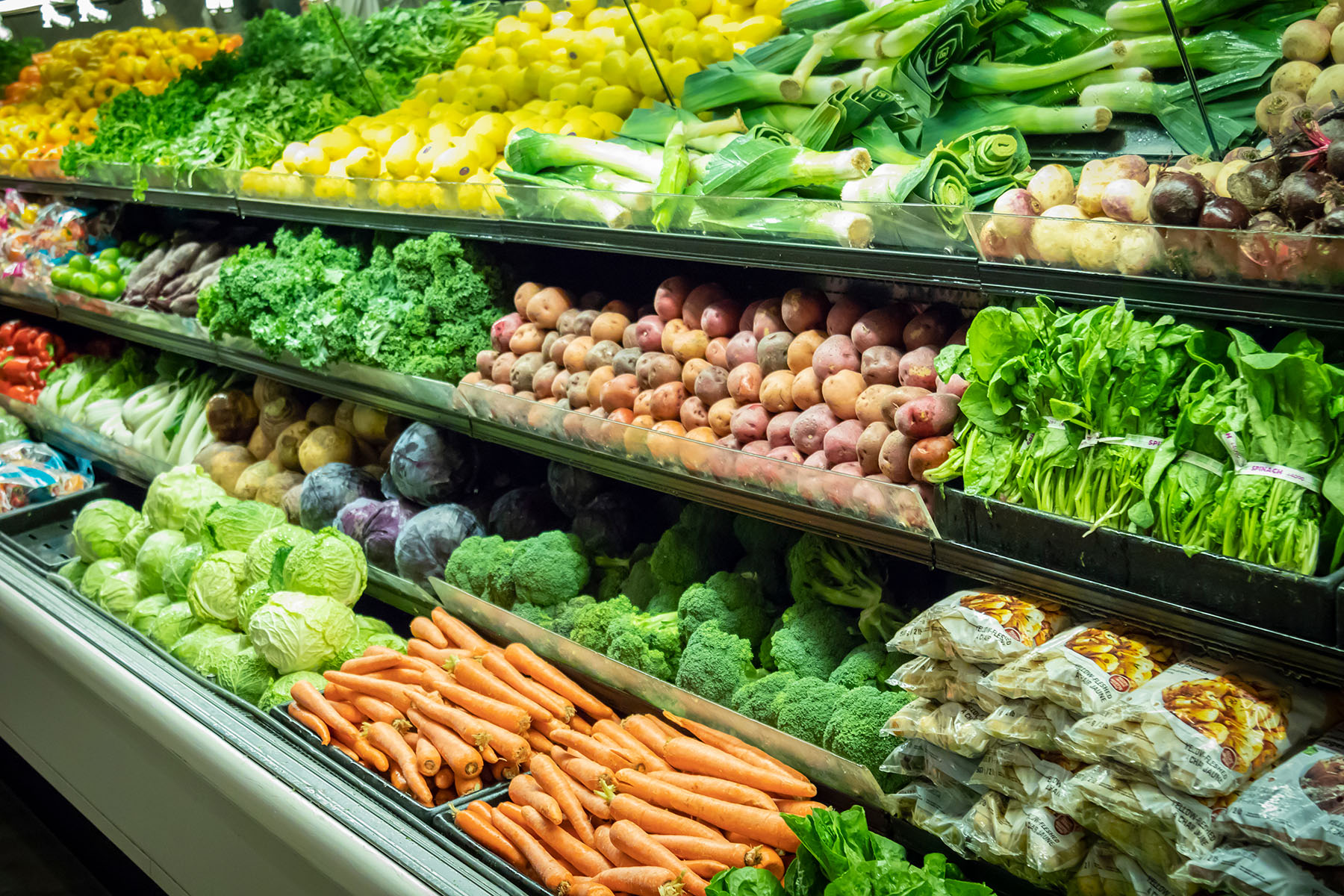
Conservative messaging is really hammering the food inflation as of lately, so let’s talk about it.
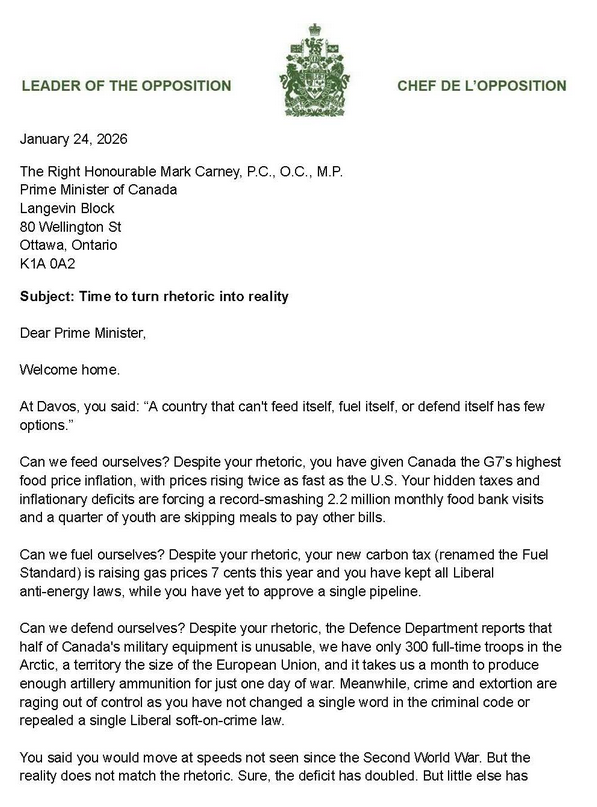
So let’s start with some facts. StatsCan has December 2025 food purchased from stores, in other words your typical grocery bill at 5% inflation, compared the same month of the previous year.
For the other G7 countries the inflation rate for store-bought food in the same time period as as follows
* These statistics comes from an estimated source as they are not uniformly published.
** Estimated figure due to the USA not releasing November-December 2025 data due to the government shutdown.
So is Canada the highest food inflation out of the G7? No. Is it one of the highest? Yes.
Is Canada out-pacing USA by 2x? Only if you take the 2.4% number at face value. The number is likely inaccurate. But we are likely are higher than the USA.
Pierre goes on to blame taxes for the cause of the inflation. So let’s take a look at that. He names the “Fuel Standard” tax. Which does not exist. What Pierre is likely referring to is the Fuel Consumption tax, which has been in effect since 1987. These taxes are as follows:
- Federal Excise Tax (Cents/Litre)
- 10.0 for gasoline
- 4.0 for Diesel
- Goods & Services Tax (GST) 5%
Additionally, provinces have their own sales tax and fuel taxes. These taxes were always independent of the Carbon tax which is currently being rated at $0. Most of the tax rates have not been changed in some time, therefore, they cannot be inflationary.
But something must be contributing to food inflation. So let’s have a deeper look.
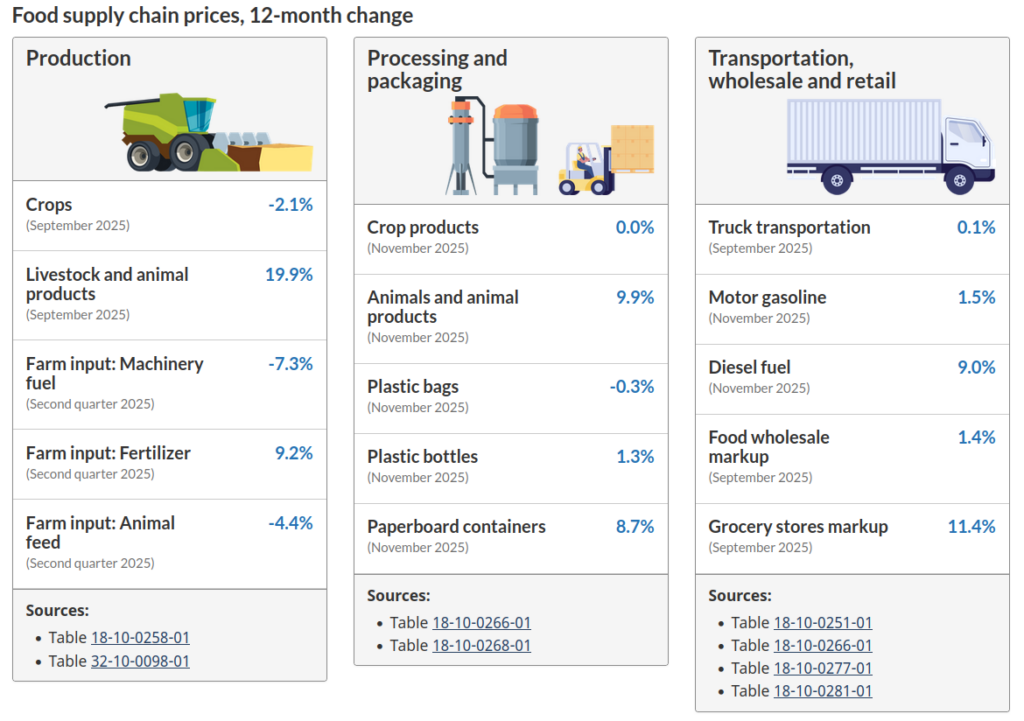
Here we can see major contributors to price rises are maintenance of livestock and fertilizer. Processing animal products, diesel fuel and grocery store markup. Diesel fuel is a the result of global market price which has been trending upward in cost.
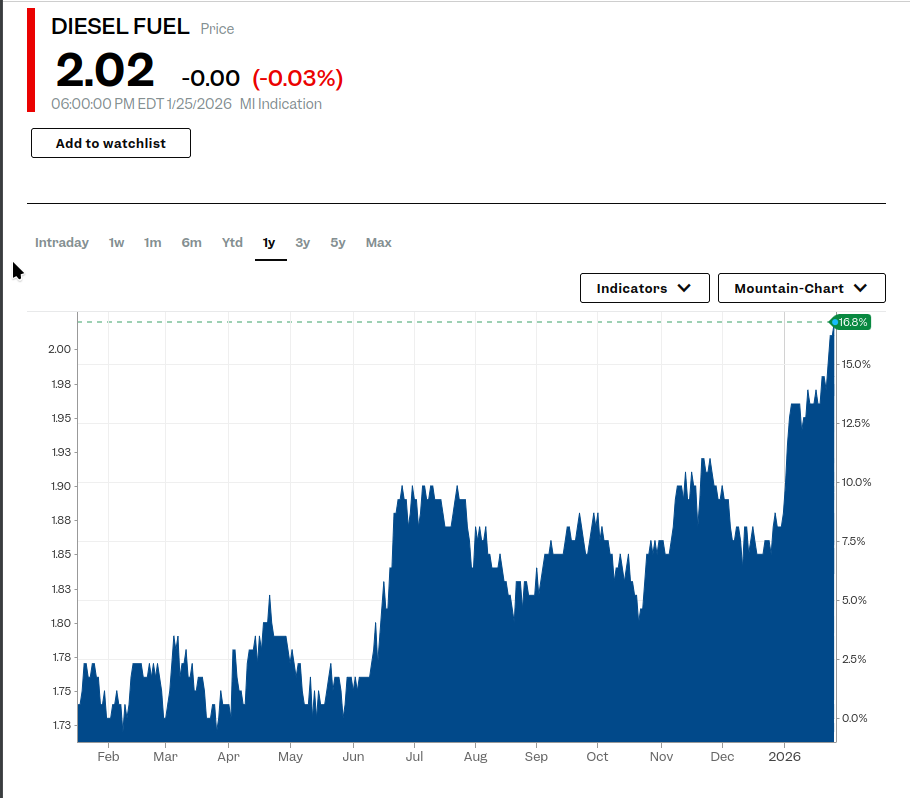
All of these matches the macroeconomic factors that was estimated by the Dalhousie University Price report.
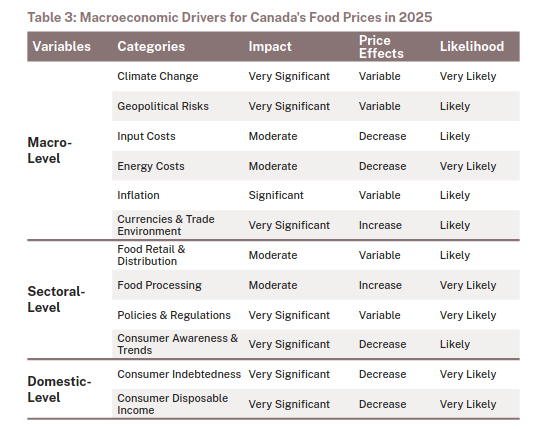
Noting that Input & Energy Cost has a moderate decrease price effect while things like Climate Change, Geopolitical Risk and Trade Environment has a very significant impact on increased prices.

References:
– https://markets.businessinsider.com/commodities/diesel-price
– https://www.statcan.gc.ca/en/topics-start/food-price
– https://cdn.dal.ca/content/dam/dalhousie/pdf/sites/agri-food/EN%20-%20Food%20Price%20Report%202025.pdf