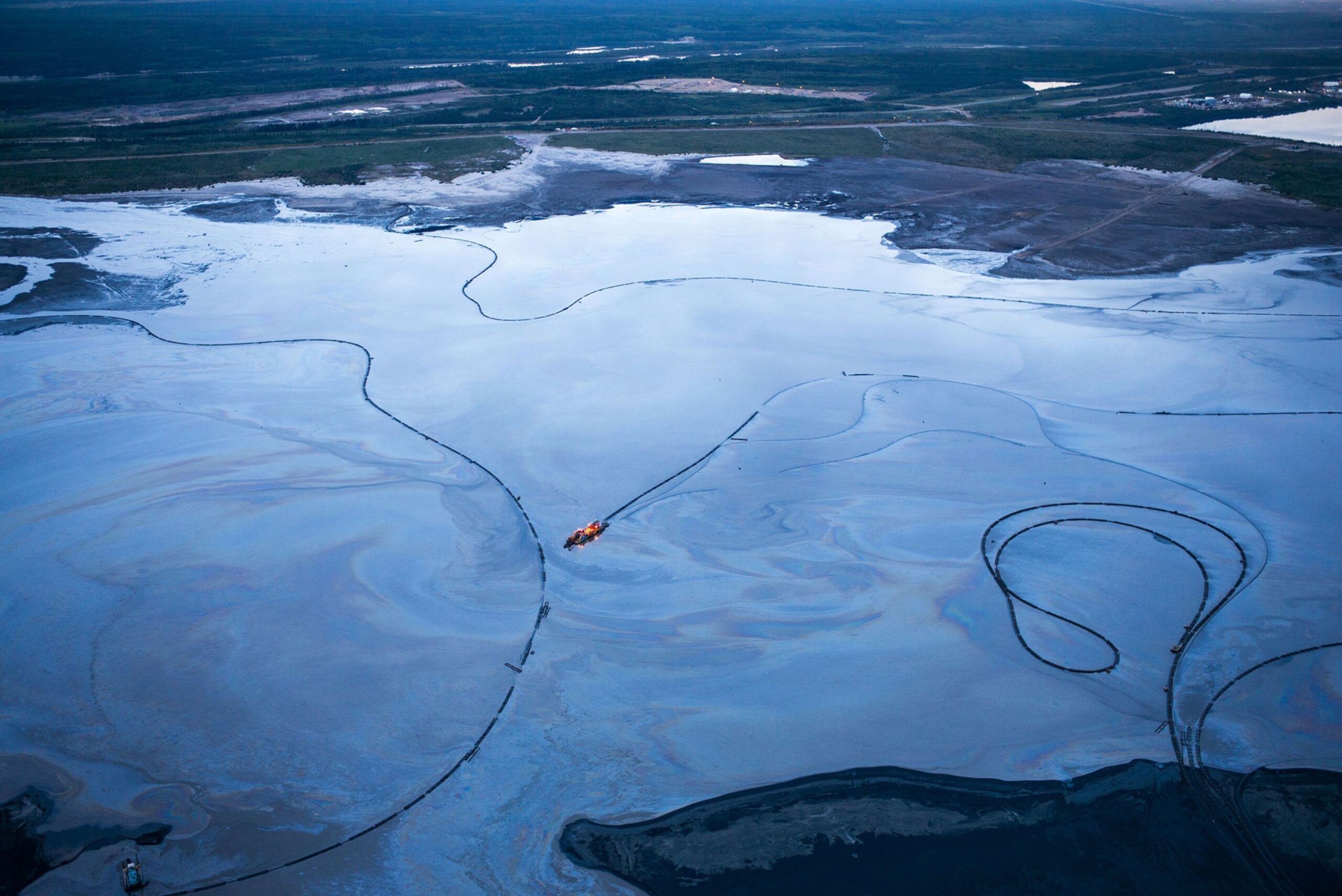
Let’s talk about energy independence and whether or not that will protect you from raising costs. Here we are going to talk about oil but this applies to pretty much any global commodity, including lumber, iron and other materials. First the claim is that if we were energy independent, that is, if we were able to extract and refine all of our own oil needs domestically, then we would be isolated from global market rates and can dictate our own local market rates based on supply and demand. That is just wrong.
It is wrong because we operate in a private capitalist society where the government leases off land which a private company rents and setup extraction operation. The government gets paid by corporate taxes and possibly royalties on profits. This is known as private investment because a private company spends the money to setup shop and assumes all the associated risk (short of government bailouts when things go wrong, but that’s another topic for another day).
There are two main factors that would be considered for a private company to consider investing:
1. How much it costs to extract (input costs)
2. How much the resource could be sold for. (output costs)
If exports is allowed, the output costs will always be near the global market rate, because you’re participating in the global market (Go figure!). If the nation itself is not willing to pay for global market rates for the product, why would a private company sell it if it can export it and receive a higher price?
If you want to isolate ourselves from global market fluctuations, one of two things needs to happen:
- The government (at the taxpayer’s expense) can subsidize domestic sale so domestic sale can be cheaper to the end-consumer and the government covers a portion of the cost so that the supplier can still obtain current global market rates.
- Limit or control exports so that domestic use becomes the primary consumer.
The first option is easier, but you’re just shifting the cost burden spread among the taxpayers. Noting that we already have oil subsidies, not at the end-price point but to make it cheaper for companies to setup shop, which simply increases profit margins at the taxpayer’s expense to entice private investment to setup, it does not do anything about the end-product costs. It’s more about bringing jobs into country than to address energy prices.
The second option is quite effective at isolating from global market fluctuates and gives the government the ability to control local supply and demand and as a result, have better control over energy costs, assuming that we have both the extraction and the refineries to meet the demand of domestic use of the final product. But it strips profit margins — and makes it unappealing to private investment. Therefore, the government will likely need to get involved by nationalizing the sector so that itself employs and does the oil extraction operation and refining, of course at the taxpayer’s expense as well. This would allow us to completely decouple of global market rates however.
Basically to isolate from global market rates, the taxpayers will need to get involved somehow.
My own personal opinion is any critical infrastructure should be nationalized — doesn’t mean we can’t have private operation but having a nationalized energy company that extracts and produces fuel can help influence local prices. Currently we export much more than what we can refine so we wouldn’t necessarily need to get into oil extraction.
There are however many geopolitical reasons why nationalizing oil is not a good idea and they are fair concerns to be addressed. For example, look at Iran. What you may not know is Iran was once a relatively healthy democratic with many of the freedoms we have today in Canada. That is until 1953, when their citizens democratically elected a leader that planned to nationalize their own oil sector, effectively kicking USA and UK energy companies out. That was a big problem for the USA, who then began Operation AJAX, a CIA-led operation to supply and create a rebellion, empowering the Shah group, a very Islamic religious group to overthrow the government. And it worked. Iran no longer had a democracy. Now they have a theocratic Islamic government lead by the Shah. This government is the government that Iran has today. The USA and the UK is directly responsible for installing a brutal dictator in the region — and since 1979 (The Iranian Revolution), they stopped co-operating controlling their own fate under their own interests, which is why today that dictator is now hostile to United States.
Canada received backlash for opening up trade with China — can you imagine the backlash if we started to replace American oil companies to nationalize our own oil sector? In 1953, it was enough of a reason to intentionally meddle and replace a foreign government, a covert attack on a foreign nation.