Sometimes have to remind ourselves that geopolitics is a game of poker where everyone is cheating. There are no such things as friends. Nations does not have friends, they have interests. Sometimes two nations have interests that are aligned and as a result can create a friendly environment. And over time, those interests can shift, which can create a divide between two nations. This is a hard reality that we must remember.
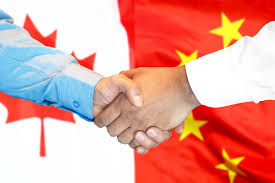
United States has been undergoing a shift of interest and anyone that spends any significant amount of time on social media can recognize the growing Anti-Canadian sentiment, most of which are likely bots from malicious third-party actors. None of that would have mattered, except the same rhetoric is directly coming from the US government officials, especially from the Grand Old (Republican) Party side of the aisle. As such, as Former Prime Minister Stephen Harper has said, we have no other option but to shift our interests elsewhere as well, paraphrasing.
Canada, under Mark Carney’s leadership have announced a partnership with the European Union, a collection of sovereign countries with aligned interests. The EU is calling this an Associate Member, and I want to be clear on exactly what this means.
Firstly, this is not a European Union membership. Not only has Canadian government already expressed that is not our expressed desire, it is under illegal the European Union framework. Membership is reserved only for countries located within Europe, and needless to say, Canada is not located in Europe. Full membership is completely off the table.
So what is an “Associate Member” then? Truthfully, at this time no one really knows and if someone tells you exactly what that means, then they are probably lying to you. The term does not exist in their framework, as it was literally made up on September 16, during European Commission President Ursula von der Leyen’s State of the union address. There is no treaty article, no precedent or legal framework on what an Associate Member is.
So that brings some unresolved questions such as:
1. Voting rights — likely the biggest one. Would an associate member have any decision-making sway and to what extent?
2. Single market access — Does this grant greater market access and how would we harmonize domestic regulation with EU standards?
3. Unanimity — Canada becoming an Associate Member is not set in stone yet as all 27 members would have to vote to agree. And before that happens, they would have to define legally what an Associate Member is.
What we do know that is on the table:
– An Canada-EU alliance that goes beyond CETA (which is still not completely ratified), covering tech, defense integration, artic co-operation energy, cybersecurity and critical minerals.
– Canada has shown interest in Erasmus+, Horizon Europe Research Funding, and mutual recognition of worker qualifications.
– Defense, Canada already participates in the EU’s SAFE procurement program but being an associate member likely allows greater access to SAFE.
Basically at this present time, this is a political declaration of intent rather than a defined status. Details that answers these questions likely won’t be exposed before the EU-Canada Economic and Security Summit scheduled to be held in Montreal in October 2026.