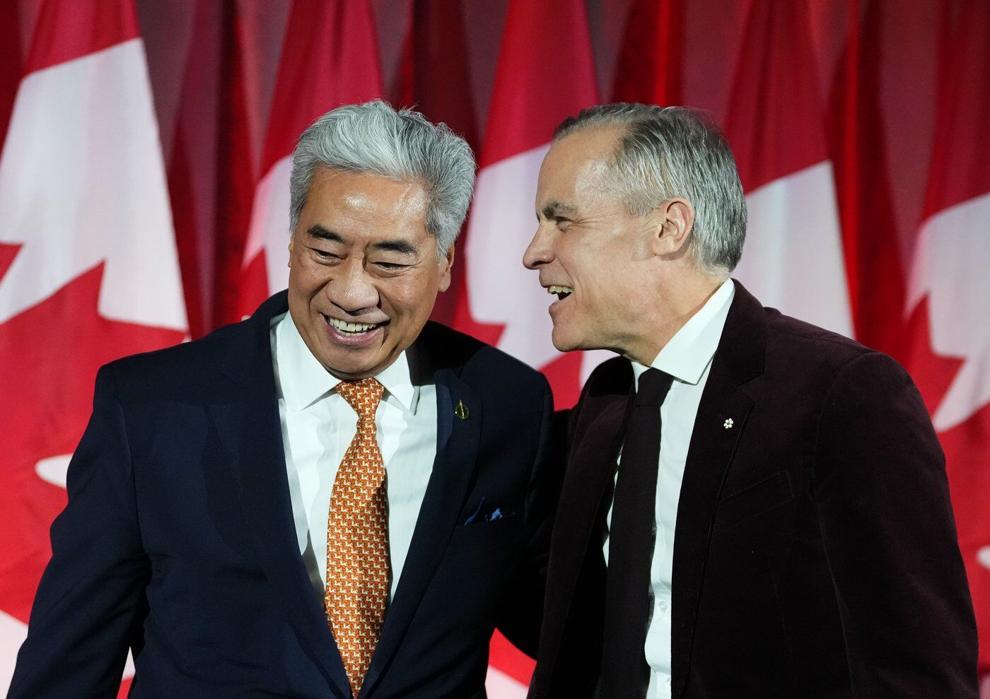
The conservatives party has been swizzling between 2 conservative members of parliament who decided to switch over the liberal party; Chris d’Entremont and Michael Ma. There was also one member, Matt Jeneroux, who decided to simply resign. Matt hasn’t officially left the house, therefore his seat has not been vacated but he has not participated in any house activities or voted on any bills since his resignation.
Pierre Poilievre has claimed that this has no indication of leadership style and this is the result of “dirty backroom deals”. Am I going to tell you that never happens? No, there is in fact a non-zero possibility of disingenuous intent. But I feel it is very unlikely and I’ll explain why.
Firstly, Mark Carney platform is very classic conservative. This isn’t something you would have seem from a Trudeau liberal government. Something that I can’t dive too deep here as it goes off-topic but there is a reason why the conservatives states the liberals are stealing conservative ideas. In reality, the liberal took a lot of the core principal but implemented in a more common sense way. One example is the 5% GST tax cut. Under the conservative platform the cut would apply to all purchases, allowing landlords to severely abuse the tax cut as more homes they buy up, the more they can take advantage. Under the Liberal platform only applies for first-time home buyers, a specific demographic that would have a higher value than taxpayers to subsidize landlords in general.
Secondly, Pierre is using an iron authoritative grip, micro-managing the conservative caucus. What conservatives members can say or do publicly is precise, controlled, and uniform across the conservative party. It is not realistic that this leadership style may not appeal to all conservative members of parliament. This is in contrast to the liberal party, that does allow internal criticism. For example, Steven Guilbeault, a liberal environmentalist heavily criticized both the budget, and the MOU for Aberta pipelines due to environmental concerns and the liberal party allows him to publicly voice his opinions on the matter without repercussions from the party.
It’s more than likely that conservative members of parliament that are leaving or switching sides are doing so in spite of Pierre’s leadership style, instead of some backroom deals. If there was such actions taking place, I’m sure it would be easy for a liberal operative to communicate with the wrong conservative MP and Pierre would have evidence. Until then, it looks like he is just shifting blame away from himself.
As for the conservative voter base, they are calling the practice of MP floor crossing illegal, and that a by-election should occur to allow the riding to vote for the MP under their new party status.
Firstly, I want to talk about the nature of crossing the floor and it’s history. This is not an endorsement of the practice, my personal opinions on the matter is rather indecisive. These are just simply an explanation of how our government works. It’s not an illegal practice, it is actually a core part of the parliamentary political system. The system that Canada uses. More specifically, it is part of the Westminster model inherited from the UK.
It is important to understand that we do not vote for a particular party. We vote for a Member of Parliament, or MP for short, in their personal capacity to represent a geographic area. The geographic area is suppose to represent roughly a population size of 120,000 constituents (though will vary by population density of the region). If the MP wins the vote, they earn their seat in parliament. This seat is not associated to any party, it is associated with the MP. To trigger a by-election for the MP to leave their registered party or to join another would imply that seat belongs to a particular party and not the MP. While it is true, that a voting behaviour may be influenced by the party platform, leading voters to vote for a candidate purely because they are registered in their preferred party choice. That is a choice of the individual voter. The idea that a seat belongs to a particular party is historically anachronistic.
The MP owning the seat is an intentional design choice of the praliamentary system. It is a core safeguard to protect independence of judgement as the MP is expected to (regardless of party affiliation):
- Represent their constituents
- Exercise conscience and judgement
- Hold their party accountable if necessary
If changing the party automatically vacated a seat, it would a create a system where party coercion could occur, MP would be functionality unable to leave without losing their livelihood. There could be executive dominance, as party leaders could enforce discipline through the threat of expulsion. This promotes silencing your representatives rather than giving the power to your MPs to do what they believe is right.
Lastly I just want to mention the record of our parties. All parties except for the NDP party supports MPs switching or leaving the registered party without repercussions. Both Liberal and Conservative sides support the ability to switch sides and the ability to do has been in the roots of the Westminster UK parliamentary system, a system that Canada inherited. Naturally when it does, occur you get political drama.
If you truly believe the practice of switching sides is wrong, then perhaps you should consider voting for NDP candidates. They are a party that shares that belief and actively supported bringing legislation to stop the practice, (e.g. Bill C-306 (41-1)). A bill that would cause the MP seat to become vacated if the MP chooses to leave or switch their registered party. All liberal and conservative members voted against the bill at the time, including the current Conservative Leader Pierre Poilievre.